English
 Italian
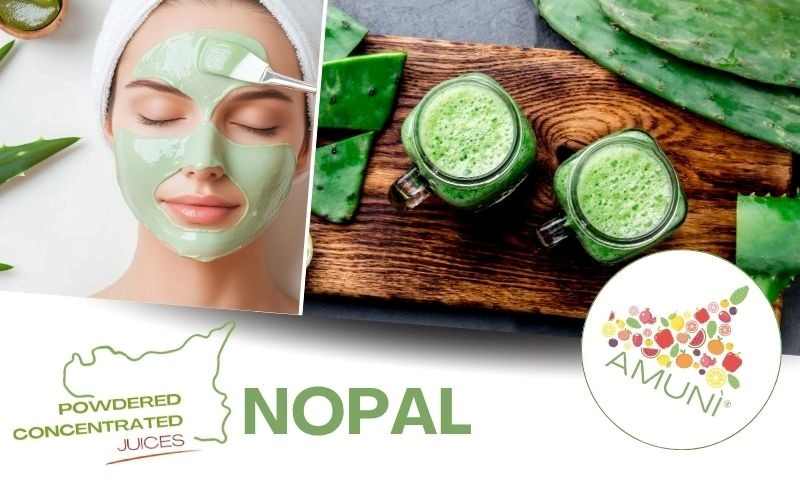
Nopal and Aloe Vera: what are the differences for your skin?
There’s nothing better than the feeling of soft, smooth, silky skin—free from irritated or itchy patches.
Both Aloe Vera and Nopal are known for their skin-nourishing properties, but they are not the same plant and they don’t offer the same benefits. Let’s take a closer look at some key differences between cactus and aloe vera when it comes to skincare.
Many people consider Aloe Vera a cactus, but that’s technically inaccurate. Despite its appearance, Aloe Vera is a succulent, not a cactus. Aloe Vera belongs to the Asphodelaceae family, while Nopal is part of the Cactaceae family.
The confusion comes from the fact that both plants thrive in arid environments and store water in their thick, fleshy leaves—but the distinction is important, as it influences the plant’s chemical composition and how it interacts with the skin.
Skincare Overview: Aloe Vera
Aloe Vera has been a staple in natural skincare for decades, thanks to its high water content and soothing properties. It’s rich in vitamins A, C, and E, along with antioxidants, enzymes, and amino acids that help:
-
Hydrate dry skin without leaving a greasy residue
-
Soothe sunburns and reduce redness
-
Promote wound healing and minimize scarring
-
Calm inflammation, making it ideal for sensitive skin
Aloe Vera is a key ingredient in moisturizers, gels, and masks, often used for its refreshing effect and light hydration.
Skincare Overview: Cactus (Nopal)
Nopal (Opuntia ficus indica) is an emerging star in the skincare world. Unlike Aloe Vera, cactus extracts are rich in fatty acids, betalains, and polyphenols, which provide:
-
Deep hydration by locking in moisture
-
High levels of antioxidants to fight free radicals and slow aging
-
Anti-inflammatory properties that reduce redness and irritation
-
A protective barrier that helps prevent moisture loss
Cactus-based skincare products offer intense hydration and nourishment, making them ideal for dry or mature skin types.
Texture and Consistency
Aloe Vera has a light, gel-like texture that is quickly absorbed by the skin, making it perfect for non-greasy hydration.
Nopal, on the other hand, has a richer texture that penetrates deeply into the skin.
Protective Antioxidant Properties
Both ingredients offer antioxidant protection, but in different ways. Aloe Vera is rich in vitamins C and E, which help combat free radicals and promote youthful-looking skin.
Nopal is packed with antioxidants—including betalains and polyphenols—that provide strong defense against oxidative stress and environmental damage.
Hydration and Moisture Retention
Aloe Vera is an excellent hydrator thanks to its high water content, but it mainly offers surface-level hydration.
Nopal contains fatty acids and mucilage that help retain moisture over time, making it ideal for extremely dry or dehydrated skin.
Soothing and Calming Benefits
Aloe Vera is well-known for its ability to soothe sunburn, reduce redness, and calm irritation. With its anti-inflammatory enzymes, it’s often used to treat sensitive skin and is generally safe for many skin conditions.
Nopal also has anti-inflammatory properties, but it’s especially effective at reducing irritation caused by environmental stressors like pollution and harsh weather.
Skin Healing and Regeneration
Both ingredients contribute to skin repair. Aloe Vera accelerates wound healing by stimulating collagen production and reducing inflammation, making it great for minor cuts, burns, and acne scars.
Nopal, rich in amino acids and antioxidants, supports long-term regeneration and skin elasticity—ideal for aging skin and wrinkle prevention.