English
 Italian
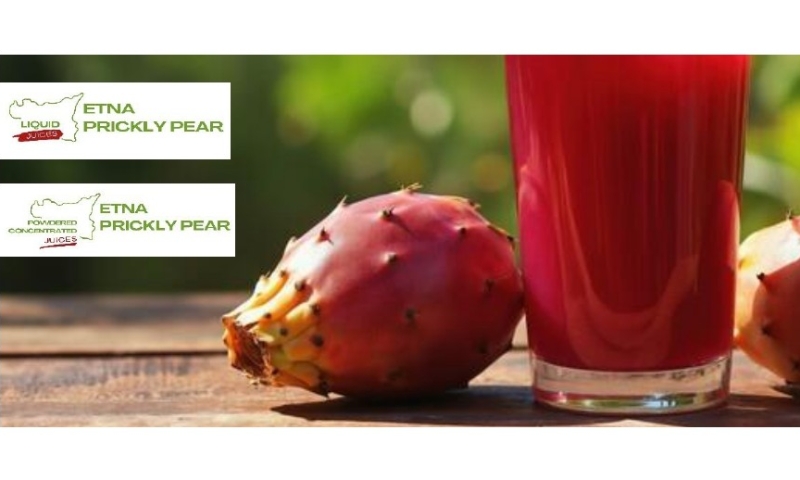
Prickly pear: from functional juice to dietary supplements, a new platform for nutrition and healthy aging
In recent years, the functional beverage and nutraceutical market has been evolving rapidly. Consumers are no longer simply looking for healthy products, but for natural ingredients with documented biological activity, clean labels, sustainability, and the ability to support metabolic wellness, physical performance, and healthy aging.
In this context, prickly pear (Opuntia ficus-indica) represents one of the most promising nutraceutical platforms of the coming years.
For a long time, prickly pear was mainly considered a traditional fruit typical of Mediterranean and semi-arid regions. Today, however, it is emerging as a high value-added multifunctional ingredient, with increasingly interesting applications ranging from functional beverages to sports nutrition, from post-exercise recovery drinks to dietary supplements and formulations dedicated to healthy aging.
From a nutritional standpoint, prickly pear has a profile particularly rich in bioactive compounds:
- betalains
- polyphenols and flavonoids
- vitamin C
- carotenoids
- functional minerals
- soluble fibers and bioactive mucilage
Betalains are among the most interesting components. These natural pigments, responsible for the fruit’s red and purple coloration, possess strong antioxidant activity and may help counteract oxidative stress and cellular inflammation.
The unique combination of bioactive compounds found in prickly pear — including natural antioxidants, electrolytes, and dietary fibers — makes it an ingredient of significant nutritional and functional interest. This synergy of elements may potentially contribute to supporting several physiological functions, including energy metabolism, cardiovascular health, digestive function, and proper muscular activity.
In particular, antioxidants help counteract oxidative stress, while natural electrolytes such as potassium and magnesium play an essential role in maintaining fluid balance and supporting muscular and nervous system function. Fibers, on the other hand, contribute to intestinal wellness and the regulation of various metabolic processes.
A particularly interesting aspect concerns the soluble fiber fraction, especially the natural mucilage present in the fruit. These compounds may exert several functional effects within the body: on one hand, they contribute to prolonging satiety, with potential implications for appetite regulation and weight management; on the other hand, they may slow intestinal sugar absorption, promoting greater postprandial glycemic stability.
Furthermore, mucilage may positively support the intestinal microbiota, helping create a more balanced environment for beneficial bacterial flora, with potentially positive effects on overall digestive health. This is accompanied by improved digestive functionality, thanks to the fibers’ ability to modulate intestinal transit and the consistency of intestinal contents.
A particularly relevant topic is so-called functional hydration. Today, the concept of hydration is no longer limited to simply replacing lost fluids; it has evolved into a more comprehensive vision in which a beverage is expected to actively support physiological recovery, maintain electrolyte balance, and improve the body’s overall metabolic performance. Prickly pear juice exhibits particularly interesting characteristics in the context of functional hydration and physiological recovery support. First of all, it is a matrix naturally rich in biologically available water, a feature that facilitates absorption and effectively contributes to restoring fluids lost by the body.
This is combined with the natural presence of essential electrolytes, particularly potassium and magnesium, which play a key role in regulating fluid balance, transmitting nerve impulses, and muscle contraction. These minerals are especially important after physical activity, when the body needs to rapidly restore electrolyte homeostasis.
Another interesting aspect is its moderate content of natural sugars, which may provide energy without causing excessive glycemic spikes, unlike many conventional sports drinks.
Finally, the juice is rich in antioxidant compounds that may help counteract exercise-induced oxidative stress, thereby supporting post-activity recovery processes.
In this context, potassium assumes a particularly important role, as it is essential for regulating body fluid balance and for proper muscular function. This combination of effective hydration, mineral supply, and antioxidant support makes prickly pear juice a potential natural alternative to traditional sports beverages, which are often characterized by high amounts of refined sugars, artificial flavors, and synthetic additives.
However, the most promising aspect probably concerns muscle recovery and the potential supportive role in sarcopenia, a condition characterized by the progressive loss of muscle mass and function associated with aging. This process is multifactorial and is commonly linked to several biological mechanisms, including increased chronic oxidative stress, persistent low-grade inflammation, progressive mitochondrial dysfunction, and alterations in muscle protein metabolism, resulting in an imbalance between muscle protein synthesis and degradation.
Within this complex scenario, the bioactive compounds present in prickly pear could theoretically exert a synergistic action on multiple levels. Betalains and polyphenols are molecules known for their antioxidant activity and may help reduce the production of reactive oxygen species (ROS), thereby limiting oxidative damage affecting muscle fibers and mitochondrial structures, which are essential for cellular energy production.
At the same time, the anti-inflammatory component associated with these phytocompounds may play a role in modulating cellular pathways involved in muscle catabolic processes, including pathways mediated by NF-κB and pro-inflammatory cytokines, which are often elevated in age-related muscle loss. The modulation of these signals could help slow protein degradation processes and promote a more favorable biological environment for maintaining muscle mass.
Added to these effects is the contribution of the natural electrolytes present in prickly pear, particularly potassium and magnesium, which play an essential role in supporting neuromuscular function. These minerals are fundamental for proper nerve impulse transmission, muscle contraction quality, and the efficiency of post-exercise recovery processes. Taken together, these elements may contribute to improving the metabolic efficiency of muscle tissue and supporting its overall functionality, especially under conditions of physiological stress or during aging.
In this scenario, powder format represents one of the most significant and strategic industrial opportunities. Transforming the juice into powder through technologies such as spray drying allows the stabilization and concentration of bioactive compounds, improving shelf life and facilitating their use in different industrial formulations. In this way, prickly pear can be incorporated not only into functional beverages, but also into dietary supplements, capsules, stick packs, and nutraceutical blends, significantly expanding its applications within the food and wellness sectors.
This opens very interesting prospects for:
- sports nutrition
- recovery beverages
- anti-fatigue formulations
- healthy aging supplements
- nutraceuticals dedicated to the senior population
In practical terms, prickly pear can evolve from a simple traditional beverage into a high value-added nutraceutical ingredient.
Perhaps the most strategic dimension, however, concerns sustainability: prickly pear is a crop highly resilient to climate change. It requires little water, grows in arid environments, and enhances marginal territories that are often underutilized.
At a historical moment in which the food, nutraceutical, and wellness sectors must rethink their production chains, ingredients such as prickly pear could represent a perfect meeting point between functional nutrition, technological innovation, and environmental sustainability.
Perhaps the future of nutraceuticals will not rely solely on synthetic or ultra-processed ingredients, but also on the scientific valorization of resilient crops already rooted within Mediterranean territories.
In this direction, the two ingredients developed by Amunì® — liquid Etna Prickly Pear juice and concentrated Etna Prickly Pear juice powder — represent a concrete example of how it is possible to enhance the potential of prickly pear through highly functional juices designed for applications in the beverage, nutraceutical, and wellness sectors.