English
 Italian
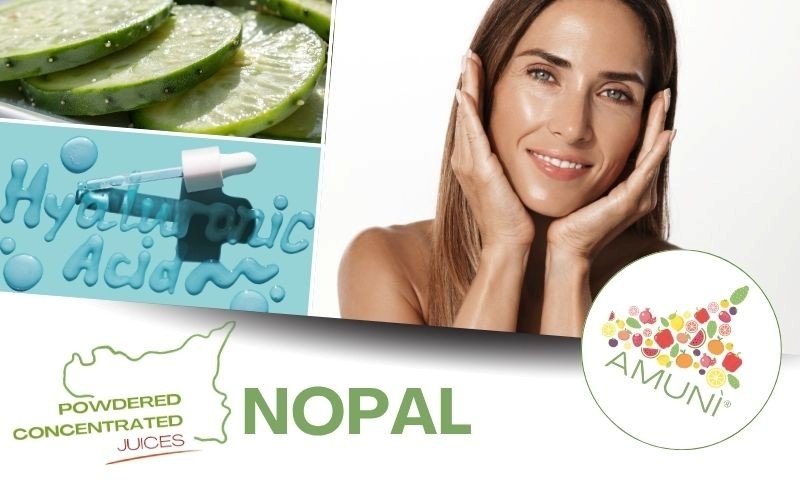
Nopal vs. Hyaluronic Acid: Which Is Better for Your Skin?
In the ever-evolving world of skincare, hydration remains one of the most discussed and critical goals for achieving glowing, healthy skin. Among the many ingredients that claim to deliver intense hydration, two names top the list: hyaluronic acid and nopal extract (prickly pear cactus pads). But which one truly deserves more attention in your skincare routine?
Let’s take a closer look at the properties, benefits, and differences between hyaluronic acid and cactus to determine which is the best choice.
Hyaluronic acid is a humectant naturally found in our skin. It has the remarkable ability to hold up to 1,000 times its weight in water, plumping the skin and minimizing fine lines. It binds water to skin cells, which is why it’s a favorite in moisturizers, serums, and injectables. However, not all hyaluronic acids are created equal. Its molecular weight determines how deeply it penetrates the skin—lower molecular weights go deeper, but they tend to be more expensive and less stable.
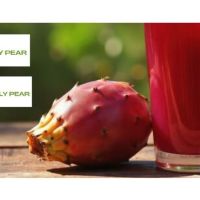
Nopal extract, on the other hand, is derived from desert plants like the prickly pear cactus. These hardy plants are adapted to thrive in harsh environments with very little water, making them natural reservoirs of hydration. The extract is also rich in antioxidants, vitamins (especially E and K), amino acids, and essential fatty acids—components that work synergistically to hydrate, repair, nourish, and protect the skin.
Deeper, Longer-Lasting Hydration
While hyaluronic acid is excellent at delivering hydration, it can draw moisture from the deeper layers of your skin if the air is not humid enough. This can lead to a temporary plumpness followed by long-term dryness if not used with an appropriate occlusive moisturizer. Nopal, however, is a self-sufficient hydrator. It doesn’t rely heavily on ambient humidity. Instead, it forms a hydration barrier that prevents transepidermal water loss (TEWL), ensuring that the skin stays moisturized for significantly longer—even in dry, arid climates.
Its ability to deliver long-lasting hydration without depending on the surrounding environment makes it ideal for all skin types, especially those struggling with dryness or living in low-humidity areas.
Antioxidant Power: Beyond Hydration
When comparing the two ingredients, one of the major advantages of cactus extract over hyaluronic acid is its multifunctionality. While hyaluronic acid has a single purpose—hydration—nopal extract is rich in antioxidants that combat free radicals and oxidative stress, helping to prevent premature aging. It also has anti-inflammatory properties that soothe irritated or sensitive skin, making it beneficial for conditions like rosacea, eczema, or post-sun inflammation.
Furthermore, nopal extract contains natural polysaccharides that enhance skin elasticity and help repair damaged skin barriers. This makes it effective not only for hydration but also for skin regeneration and resilience—something hyaluronic acid doesn’t provide.
Another reason why nopal extract is a superior skincare ingredient is its lightweight texture, making it perfect even for oily and acne-prone skin. Many people believe that hydrating ingredients clog pores or worsen oily skin, but nopal extract is non-comedogenic and helps regulate oil production. Its natural antimicrobial properties also help prevent breakouts while still delivering the hydration your skin needs.
Sustainability and Skin Compatibility
Prickly pear cacti are eco-friendly, requiring minimal water and thriving in tough environments. This makes them one of the most sustainable hydration sources available today. By choosing nopal-based products, you're not only caring for your skin—you’re also making a responsible environmental choice.
So, Which One Is Better?
While hyaluronic acid has earned its place in modern skincare, it’s no longer the only player in the hydration game. Nopal extract offers a broader, naturally derived, and skin-friendly profile that tackles multiple skin concerns at once: hydration, inflammation, aging, and environmental stress.