English
 Italian
Quercetin: the power of flavonoids in support of the cardiovascular system
Quercetin is a natural compound widely distributed in the plant kingdom and increasingly studied for its role in supporting cardiovascular health. In recent years, scientific interest in it has grown thanks to its biological properties, which make it a relevant element both in nutrition and in the nutraceutical field. Incorporating quercetin-rich sources into the diet, or taking it through standardized extracts, can represent a useful strategy to support overall well-being.
What is quercetin?
Quercetin is a phytonutrient, that is, a substance of plant origin belonging to the flavonoid family, more specifically to the flavonol subgroup. The human body is not able to produce it independently: it must be obtained through diet.
It is widespread in nature and its name derives from the Latin term quercetum, meaning “oak forest,” referring to the genus Quercus. When consumed in isolation, quercetin has a bitter taste, a common characteristic of many bioactive plant compounds.
In which foods is it found?
Quercetin is present in numerous plant-based foods, including fruits, vegetables, seeds, cereals, and leaves. Among the most highly concentrated sources of quercetin is the caper (Capparis spinosa). In particular, the caper from Pantelleria is considered one of the richest natural sources of this flavonoid, thanks to the island’s climate conditions and volcanic soil, which favor its accumulation.
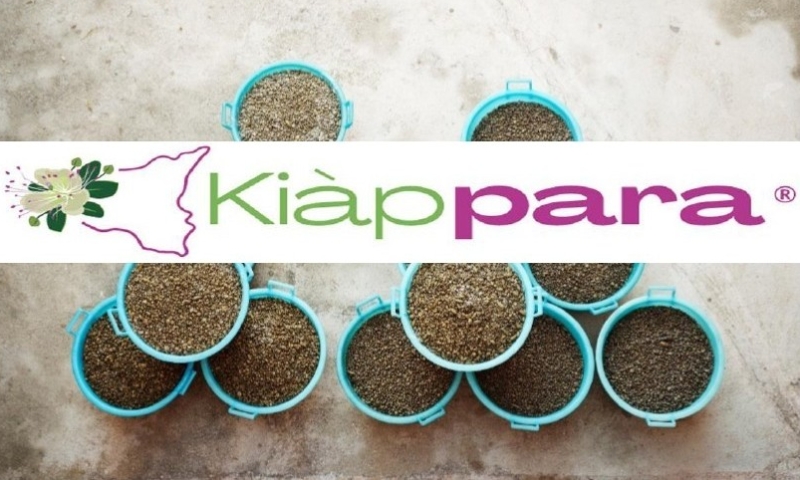
From this raw material comes Kiappara®, a dry extract of Pantelleria caper standardized in quercetin. This type of standardized extract allows for a more precise and consistent intake of quercetin compared to dietary consumption, making it particularly interesting in the nutraceutical field.
What are its functions?
Quercetin is mainly known for two fundamental properties that can contribute to cardiovascular health:
- Antioxidant action
Oxidative stress is one of the main factors that promote the development of atherosclerosis. It can be caused by pollution, smoking, exposure to chemicals, or radiation. This process generates free radicals, unstable molecules that damage cells and tissues, accelerating aging and increasing the risk of disease. Quercetin acts as a powerful antioxidant, helping to neutralize free radicals. - Anti-inflammatory action
Inflammation is a natural response of the body, but when it becomes chronic it can damage blood vessels and promote cardiovascular disease. Quercetin helps reduce inflammation, as demonstrated by studies in animals and humans.
Effects on the cardiovascular system
Quercetin has been widely studied for its impact on various key parameters of cardiovascular health. Its antioxidant and anti-inflammatory properties, together with its ability to modulate important physiological mechanisms, make it a compound of particular interest in the prevention and support of major cardiometabolic diseases. Its effects extend across multiple levels, from blood vessel function to the control of blood pressure and plasma lipids.
· Endothelial function
Arteries are internally lined by a thin layer of cells called the endothelium, which is essential for regulating blood flow and protecting vessels. A healthy endothelium produces substances such as nitric oxide, which promotes vessel dilation. Clinical studies have shown that quercetin can improve endothelial function, making vessels more efficient in regulating blood flow.
· Blood pressure
Arterial hypertension is a major risk factor for cardiovascular events. Clinical evidence indicates that quercetin may contribute to a reduction in blood pressure values, particularly in subjects with mild to moderate hypertension. The mechanism is attributable to increased NO-mediated vasodilation, reduced peripheral vascular resistance, and modulation of vascular sympathetic tone.
· Nitric oxide production
Quercetin appears to increase nitric oxide production (a vasodilator) and reduce endothelin levels (vasoconstrictors), thereby promoting better blood circulation.
· Lipid profile
Alterations in the lipid profile represent one of the main risk factors for the development of atherosclerosis and cardiovascular diseases. In particular, high levels of low-density lipoproteins (LDL cholesterol), triglycerides, and total cholesterol, associated with low levels of high-density lipoproteins (HDL cholesterol), contribute to the formation and progression of atherosclerotic plaque.
Quercetin appears to exert a favorable effect on these parameters through several mechanisms of action:
· Reduction of LDL oxidation: quercetin, thanks to its strong antioxidant activity, protects LDL from oxidative modification. Oxidized LDL is particularly atherogenic, as it promotes lipid accumulation in the vascular wall and the formation of so-called “foam cells.”
· Modulation of hepatic lipid metabolism: experimental studies suggest that quercetin may influence the expression of enzymes and receptors involved in lipid synthesis and catabolism, contributing to a reduction in hepatic production of cholesterol and triglycerides.
· Improvement of reverse cholesterol transport: quercetin may promote the mechanisms through which cholesterol is removed from peripheral tissues and transported to the liver for elimination, a process in which HDL plays a central role.
· Effect on triglycerides: some clinical studies indicate a significant reduction in plasma triglyceride levels, probably linked to improved insulin sensitivity and modulation of fatty acid metabolism.
Available clinical evidence, although still heterogeneous, indicates that supplementation with quercetin can lead to a significant reduction in total cholesterol, LDL cholesterol, and triglycerides, without negative effects on HDL levels. In some studies, the reduction in total cholesterol reached clinically relevant values, suggesting a potential role for quercetin as a nutritional support in the management of dyslipidemia.
Overall, quercetin’s action on the lipid profile integrates with its antioxidant and anti-inflammatory effects, contributing to reducing overall cardiovascular risk and slowing the processes underlying atherogenesis.
· Advanced glycation end products (AGEs)
AGEs are harmful compounds formed when sugars bind to proteins or lipids. They are associated with diabetes, aging, and cardiovascular diseases. Quercetin may reduce their formation, helping to protect tissues.
· Visceral fat
Visceral adipose tissue is metabolically active and pro-inflammatory. Quercetin may influence:
· adipogenesis
· inflammation of adipose tissue
· insulin sensitivity
with a potential selective reduction of visceral fat in dysmetabolic subjects.
· Atherosclerosis
Atherosclerosis is a multifactorial process characterized by endothelial dysfunction, chronic inflammation, and lipid accumulation.
Quercetin acts on multiple levels:
· reduction of vascular oxidative stress
· inhibition of endothelial inflammation
· reduction of LDL oxidation
· improvement of endothelial function
· modulation of foam cell formation
Overall, these effects suggest a potential role in preventing the progression of atherosclerosis.
Conclusions
Quercetin is a natural compound with numerous potential benefits for cardiovascular health. It is found in many plant-based foods, but some sources—such as Pantelleria capers—are particularly concentrated.
The use of a standardized extract such as Kiappara®, standardized in quercetin, represents an interesting approach to ensure a consistent and targeted intake of this flavonoid, especially when diet alone is not sufficient.
In general, increasing daily consumption of quercetin-rich foods, together with a healthy lifestyle, can be an effective strategy to support cardiovascular well-being.