English
 Italian
Understanding the difference between dry extracts and plant powders
The natural supplements market has experienced remarkable growth in recent years, as more and more people choose plant-based solutions to meet their health and wellness needs. When developing new supplements, something interesting can be observed: the same plant or fruit can appear in different forms, often with varying colors and characteristics.
In the world of natural supplements, it is possible to find both pure powder-based products and dry extract-based products. Understanding the differences between these forms is essential for making informed decisions about your development strategy, regardless of the plant you are interested in.
What is a plant powder?
A powder is produced by drying and finely grinding the whole plant or fruit. This minimal processing approach preserves the full profile of the original plant material, including fibers, enzymes, and the complete spectrum of naturally occurring compounds.
The advantage of plant powders therefore lies in their completeness. When consuming a pure powder-based supplement, you obtain everything the plant has to offer in its natural proportions.
Advantages of powders
¾ Consumption of the whole plant, including fibers and nutrients
¾ Slower absorption but maintenance of natural balance
¾ Less concentrated than extracts
What is a dry extract?
Plant extracts, also known as dry extracts, are obtained by extracting the bioactive compounds of a specific plant or fruit.
First, the plant undergoes a process called extraction, in which it is macerated in a liquid solution that may or may not contain a type of solvent. Once the extraction phase is completed, the material goes through a process known as spray drying. In other words, this is the stage in which drying takes place, during which the liquid evaporates and the material transforms into powder, or dry extract.
Many extracts are labeled with ratios such as “4:1” or “10:1”, indicating the amount of raw material used to create a given amount of extract (Extract/Drug Ratio or DER): these ratios do not translate into potency of all compounds but simply indicate the degree of concentration.
A standardized extract, on the other hand, is a plant extract that contains a guaranteed and consistent percentage of one or more bioactive substances. Standardized extracts are obtained through analytical processes that certify their concentration.
Advantages of herbal powder extracts
¾ Higher concentration of phytonutrients
¾ Faster absorption and effectiveness
¾ Smaller doses required to achieve the same benefits
Making the right choice: factors to consider
When developing a new product, choosing between pure powder and dry extract, it is important to consider these key factors:
1. Purpose and objectives
• Pure powders are excellent for those seeking complete nutritional supplementation.
• Dry extracts may be preferable when specific compounds or benefits are desired.
2. Practicality and dosage
• Pure powders generally require higher doses but are versatile in use.
• Extracts offer concentrated benefits in smaller doses.
3. Cost considerations
• Pure powders are generally more affordable due to minimal processing.
• Extracts tend to be more expensive but can offer added value for specific uses.
Both powders and extracts therefore play an important role in natural health supplementation. Rather than considering one form superior to the other, it is better to see them as different tools for different purposes. Powders offer the complete package of plant nutrients in their natural form, while extracts provide concentrated benefits for specific needs.
The key is to align your choice with your health goals and budget. Whether you choose a pure powder or a dry extract, what matters most is selecting a high-quality product from a reliable manufacturer that prioritizes quality and transparency in its processing methods.
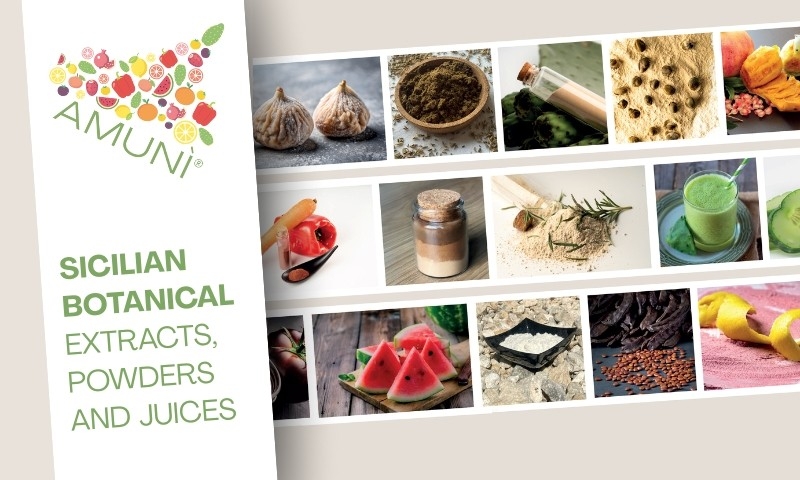
With the Amunì® line, we at Nexus Laboratori offer both types:
Our extracts
Our powders and powdered juices